
Angioedema is a medical condition that often goes unnoticed until it strikes unexpectedly. This sudden swelling beneath the skin’s surface can be alarming, especially when accompanied by unusual early symptoms that catch most individuals off guard. Understanding angioedema, its early warning signs, and the importance of recognizing them is crucial for timely intervention and management.
What Is Angioedema?
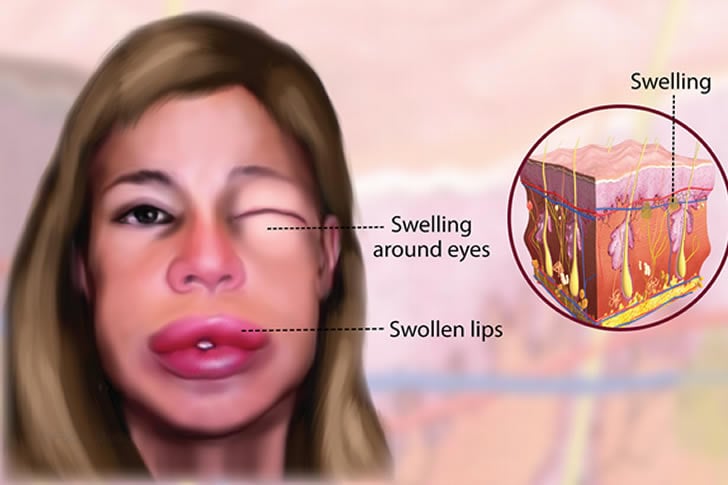
Angioedema is a condition characterized by the rapid swelling of deep layers of the skin, most commonly occurring around the eyes and lips. It can also affect the throat, hands, feet, and genitals. This swelling occurs due to the accumulation of fluid in the deeper layers of the skin, often triggered by an allergic reaction, medications, or genetic factors.
Unusual Early Symptoms
While angioedema is known for its sudden onset and pronounced swelling, what surprises most people are its early symptoms that precede the swelling. These early signs include:
Tingling or Burning Sensation: Many individuals report feeling a tingling or burning sensation in the affected area before swelling becomes visible. This unusual sensation can be confusing, often mistaken for a mild irritation.
Itchy Skin: Itchy skin is a common precursor to angioedema. Individuals might experience intense itching in the area where swelling is about to occur. This itching can be persistent and uncomfortable.
Abdominal Pain: In some cases, angioedema can affect the gastrointestinal tract, leading to abdominal pain, cramping, and even nausea. These symptoms can be misinterpreted as a stomach issue.
Flu-Like Symptoms: Angioedema can sometimes manifest as flu-like symptoms, including fatigue, muscle pain, and malaise. These non-specific symptoms can further delay proper diagnosis.
Swelling of Mucous Membranes: Swelling can extend to the mucous membranes, such as the inside of the mouth and throat. This can cause difficulty in swallowing and breathing, making it a critical situation that requires immediate medical attention.
Why Early Recognition Matters
Recognizing these early symptoms of angioedema is crucial because it can help individuals seek timely medical care. Delayed diagnosis and treatment can lead to severe complications, especially when the swelling affects the airway, potentially causing life-threatening breathing difficulties.
Prompt identification of angioedema can also assist healthcare professionals in determining the underlying cause, whether it’s an allergic reaction, medication side effect, or an inherited genetic condition. Understanding the cause is vital for effective treatment and prevention of future episodes.
Conclusion
Angioedema may surprise individuals with its sudden onset, but recognizing its early symptoms is essential for prompt intervention. If you experience unusual tingling, itching, abdominal pain, or flu-like symptoms, especially when accompanied by swelling of the skin or mucous membranes, seek immediate medical attention. Early diagnosis and management can make a significant difference in managing angioedema and preventing severe complications. Always consult a healthcare professional for proper evaluation and treatment if you suspect angioedema may be the cause of your symptoms.
Recent Comments