


In the digital age, software interfaces serve as gateways to functionality and efficiency. In this review, we delve into the realm of “Exploring User-Friendly Interfaces,” a software collection that promises intuitive interactions, seamless navigation, and an enhanced user experience that transcends complexity.
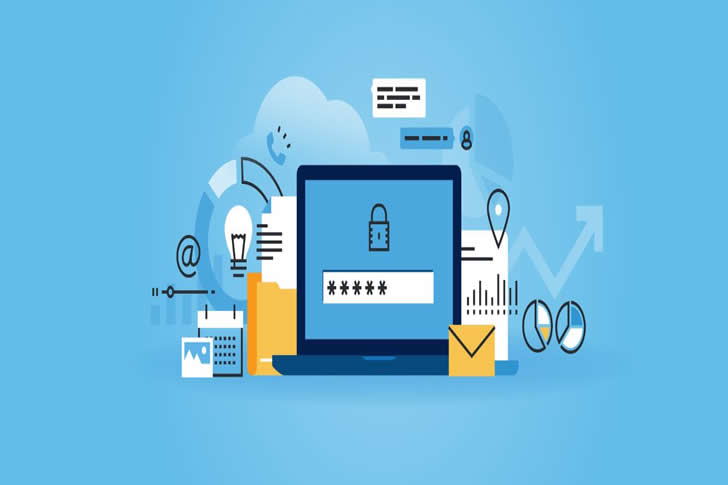
Visual Symphony: Design and Aesthetics
Upon engaging with the “Exploring User-Friendly Interfaces” software, it was evident that design aesthetics played a pivotal role. The interfaces were a symphony of visual elements, combining harmonious color palettes, clear typography, and thoughtfully placed icons. The design choices not only enhanced the software’s visual appeal but also contributed to its usability.
Intuitive Interaction: User-Centric Approach
The software’s commitment to intuitive interaction was a testament to its user-centric philosophy. Every interaction, from clicking buttons to navigating menus, felt instinctive and natural. The interfaces anticipated user expectations, minimizing the learning curve and ensuring that tasks were accomplished with ease.
Seamless Navigation: Fluid User Flow
One of the standout features of “Exploring User-Friendly Interfaces” was its seamless navigation. The software embraced a fluid user flow that guided users through tasks and processes effortlessly. Menus were logically organized, and pathways were designed to minimize the need for backtracking or searching for essential functions.
Adaptive Responsiveness: Cross-Platform Consistency
In an era of multi-device usage, “Exploring User-Friendly Interfaces” showcased the importance of adaptive responsiveness. The software’s interfaces were designed to provide a consistent experience across various devices, ensuring that users could transition seamlessly from desktop to mobile without sacrificing functionality or aesthetics.
Accessible Inclusivity: Considerate Design
The software’s inclusivity was evident in its considerate design choices. Elements such as legible text, sufficient contrast, and accessibility options ensured that users with varying abilities could engage with the interfaces comfortably. This commitment to accessible design reflected an awareness of the diverse audience that interacts with modern software.
Feature Discoverability: User Empowerment
Discovering features within software can be a daunting task, but “Exploring User-Friendly Interfaces” empowered users through intuitive feature discoverability. Tooltips, clear icons, and interactive tutorials guided users through functionalities, allowing them to harness the full potential of the software without feeling overwhelmed.
Streamlined Complexity: Information Hierarchy
Managing complexity without overwhelming users is an art, and the software excelled in creating a streamlined information hierarchy. The interfaces presented information in a structured manner, utilizing hierarchy, visual cues, and progressive disclosure to guide users through intricate tasks without inducing cognitive overload.
Feedback-Driven Enhancement: Continuous Improvement
The software embraced a feedback-driven approach to enhancement. Regular updates, bug fixes, and feature refinements were indicative of the developer’s commitment to addressing user feedback. This iterative process demonstrated the software’s evolution and responsiveness to the changing needs of its user base.
In conclusion, “Exploring User-Friendly Interfaces” stood as a testament to the transformative power of thoughtful interface design. The software’s visual harmony, intuitive interaction, and seamless navigation created a digital experience that harmonized complexity and simplicity.
As we concluded our exploration, we were reminded that user-friendly interfaces are not just about aesthetics or functionality; they are bridges that connect users to the digital world. “Exploring User-Friendly Interfaces” demonstrated that technology can be a tool for empowerment, enabling users to accomplish tasks with confidence and navigate the digital landscape with ease. It underscored the belief that when software interfaces prioritize user needs and experiences, they become catalysts for efficient workflows, enhanced productivity, and a seamless integration of the digital and human realms.
Recent Comments